
Pet Insurance for Pre-Existing Conditions (What’s Possible)
If you run a pet-focused platform or are researching coverage options for your audience, one of the most searched and misunderstood topics is pet insurance for pre-existing conditions.
Pet parents often assume one of two extremes:
- “If my pet has any prior condition, insurance is pointless.”
- “Some company must fully cover everything if I pay enough.”
Neither is entirely accurate.
This comprehensive guide breaks down what counts as a pre-existing condition, what insurers typically exclude, what may still be covered, and strategic ways to secure meaningful protection even if your pet has medical history.
Understanding Pre-Existing Conditions in Pet Insurance
What Is a Pre-Existing Condition?
In pet insurance underwriting, a pre-existing condition is:
Any illness, injury, symptom, or medical concern that occurred, showed signs of, or was diagnosed before the policy’s effective date or during the waiting period.
Even if a condition wasn’t formally diagnosed, documented symptoms in vet records can classify it as pre-existing.
For example:
- Limping noted before enrollment → may classify orthopedic condition as pre-existing
- Chronic vomiting before coverage → could impact GI claims
- Ear infections recorded multiple times → may affect allergy claims
Insurance companies rely heavily on veterinary medical records during claim review.
How Insurers Evaluate Medical History
Most insurers request:
- 12–24 months of veterinary records
- Initial exam documentation
- Diagnostic history (bloodwork, imaging, prescriptions)
Underwriters look for:
- Chronic patterns
- Recurring symptoms
- Breed-specific predispositions
- Unresolved conditions
Even mild notes like “occasional limping” can matter.
Types of Pre-Existing Conditions
Not all pre-existing conditions are treated equally.
1️⃣ Curable Pre-Existing Conditions
These are temporary and fully resolved.
Examples:
- Ear infections
- Respiratory infections
- Gastroenteritis
- Minor sprains
- Parasites
If symptom-free for a defined period (often 6–12 months), some insurers may reconsider coverage.
2️⃣ Chronic / Incurable Conditions
These are lifelong and typically excluded permanently.
Examples:
- Diabetes
- Hip dysplasia (if diagnosed prior)
- Cancer (if previously treated)
- Severe allergies
- Epilepsy
These are usually never covered if documented before enrollment.
Why Insurers Exclude Pre-Existing Conditions
From a risk model standpoint, insurance functions by covering unpredictable future events, not known costs.
If insurers covered known existing conditions:
- Premiums would spike dramatically
- Adverse selection would increase
- Risk pooling would collapse
So exclusions are part of actuarial sustainability.
What’s Actually Possible?
Now the critical question:
Is any coverage possible if your pet has pre-existing conditions?
Yes in specific, strategic ways.
1️⃣ Coverage for New, Unrelated Conditions
Even if your pet has a prior diagnosis, insurance can still cover:
- Accidents
- Injuries
- New illnesses unrelated to the condition
- Surgeries not linked to excluded issues
- Emergency care
Example:
If your dog has pre-existing allergies, insurance may still cover:
- Broken leg
- Kidney disease (if not previously documented)
- Foreign object ingestion
- Heart disease diagnosed later
This is the most common and realistic scenario.
2️⃣ Curable Condition Reconsideration
Some insurers may remove exclusion status if:
- The pet remains symptom-free
- No recurrence for a defined time
- Vet records confirm resolution
The required symptom-free period varies.
3️⃣ Bilateral Condition Clauses
Many insurers apply bilateral exclusions.
Example:
- Left knee cruciate ligament tear before enrollment
- Right knee tear later
- Insurer may deny claim citing bilateral risk
This is common in orthopedic conditions.
4️⃣ Accident-Only Plans
Accident-only policies can be valuable for pets with medical history.
These typically cover:
- Fractures
- Bite wounds
- Lacerations
- Toxic ingestion
- Foreign body surgery
They are:
- Lower cost
- Less restrictive
- Often easier to qualify for
They will not cover illness-related conditions.
Insurance Providers and Their General Approach
Below is a high-level overview of how major insurers generally approach pre-existing conditions.
🐾 Healthy Paws

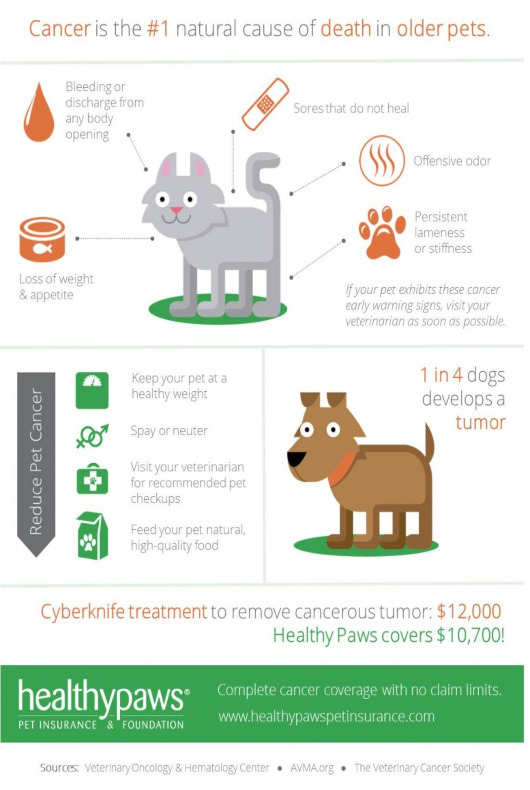


Approach:
- Does not cover pre-existing conditions
- No coverage reconsideration for chronic issues
- Focuses on illness + accident coverage
Best for:
- Young, healthy pets
- Early enrollment before issues develop
🐾 Embrace Pet Insurance



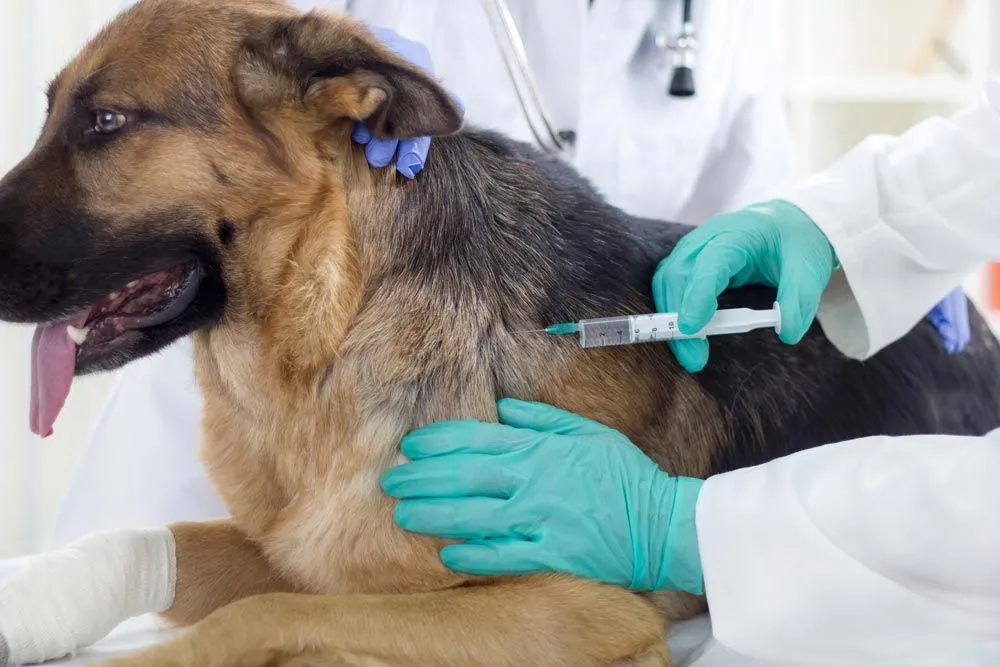
Approach:
- May cover curable conditions after 12 months symptom-free
- Chronic conditions remain excluded
- Offers diminishing deductible feature
Best for:
- Pets with minor resolved issues
- Owners seeking more flexible underwriting
🐾 ASPCA Pet Health Insurance


Approach:
- Covers curable pre-existing conditions after symptom-free period
- Chronic conditions excluded
- Customizable deductibles
Best for:
- Pets with limited medical history
🐾 Pets Best

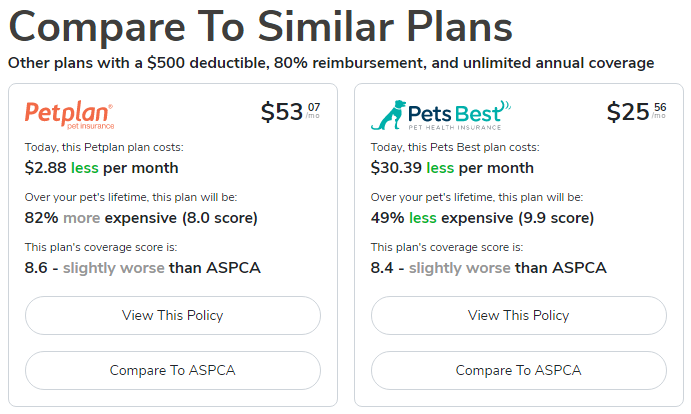
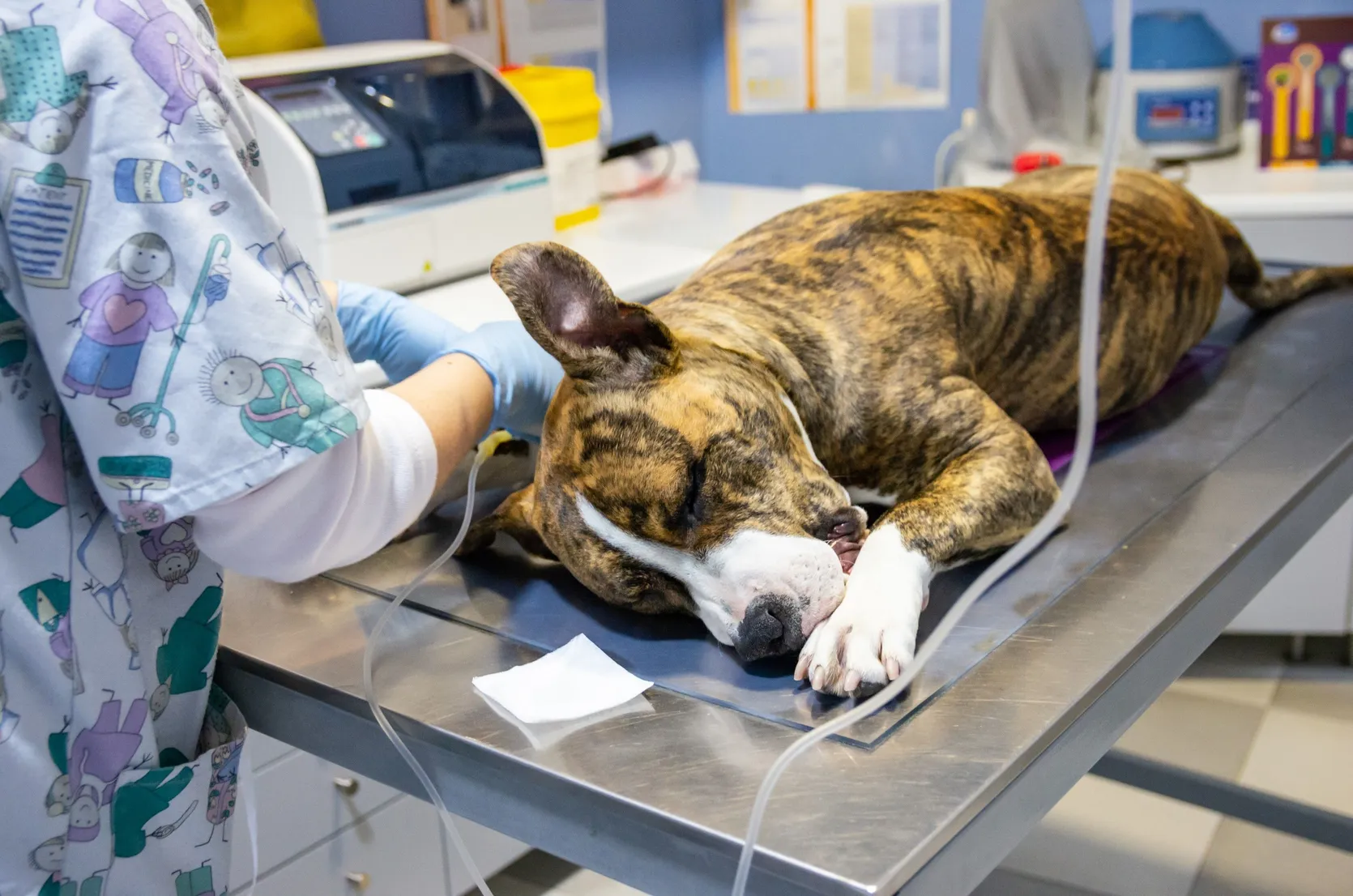

Approach:
- Excludes documented pre-existing conditions
- May reconsider certain curable issues
- Offers accident-only plan
Best for:
- Budget-conscious owners
- Accident-only seekers
Strategic Enrollment Advice
If your blog readers are evaluating options, here’s what they should do:
1️⃣ Enroll Early
The earlier a pet is insured:
- The fewer exclusions apply
- Lower premiums
- Broader lifetime coverage
Puppy/kitten enrollment is ideal.
2️⃣ Gather Vet Records Before Applying
Owners should:
- Request complete medical history
- Review for noted symptoms
- Discuss potential classification with insurer
This prevents claim surprises later.
3️⃣ Understand Waiting Periods
Typical waiting periods:
- Accidents: 2–14 days
- Illnesses: 14–30 days
- Orthopedic: Up to 6 months (sometimes waivable with exam)
Anything that occurs during waiting period becomes pre-existing.
4️⃣ Consider Budgeting Alternatives
If full coverage isn’t feasible:
- Accident-only insurance
- Wellness savings account
- High-deductible plan
- Emergency savings fund
Common Misconceptions
❌ “Switching companies will fix exclusions.”
Not true. The new insurer reviews entire medical history.
❌ “If it wasn’t diagnosed, it’s not pre-existing.”
Incorrect. Symptoms alone can qualify.
❌ “Older pets can’t get insured.”
They can but premiums increase and exclusions are more likely.
Cost Expectations
Premium factors include:
- Age
- Breed
- Location
- Coverage level
- Deductible
- Reimbursement %
For pets with prior history:
- Premiums are not always higher
- But exclusions limit reimbursement potential
Accident-only plans are typically far cheaper.
When Pet Insurance Still Makes Sense
Even with exclusions, insurance can be worth it if:
- Your pet is otherwise healthy
- Major catastrophic risk remains
- You want protection against unpredictable future events
- You cannot self-fund $5,000–$15,000 emergency bills
Major surgeries can exceed $8,000.
Emergency hospitalization can reach $3,000–$6,000.
Insurance mitigates financial shock.
The Bottom Line: What’s Possible?
✔ Coverage for new, unrelated illnesses
✔ Coverage for accidents
✔ Reconsideration of curable conditions
✔ Partial protection through accident-only plans
❌ Chronic documented conditions generally excluded
❌ Previously treated cancer typically excluded
❌ Diagnosed orthopedic disease excluded
Pet insurance is not retroactive protection but it can still provide meaningful financial safety.
Final Takeaway for Pet Owners
If your pet already has medical history:
- Do not assume insurance is pointless.
- Compare policies carefully.
- Read exclusions thoroughly.
- Ask about symptom-free reconsideration.
- Consider accident-only if necessary.
The key is managing expectations and securing coverage for future unknown risks, not past expenses.
About the Author
Emily Carter
Founder & Lead Editor at Pawfolio
Emily researches pet insurance providers and writes educational guides that help pet owners compare coverage, understand policy terms, and make informed decisions.
Related posts:
 How Pet Insurance Claims Work (Step-by-Step)
 Why Pet Insurance Claims Get Denied
 Pet Insurance Waiting Periods Explained
 How Long Do Pet Insurance Claims Take?
 Can You Get Pet Insurance for Older Pets?
 ASPCA Pet Insurance Review (2025)
 Odie Pet Insurance Review (2025)
 What Pet Insurance Does NOT Cover
 Can You Use Any Vet with Pet Insurance?
 Best Pet Insurance for Indoor Cats (2025)
 What Does Pet Insurance Cover?
 Accident-Only vs Full Coverage Pet Insurance (2025)